Staff (Local) – June 1, 2025
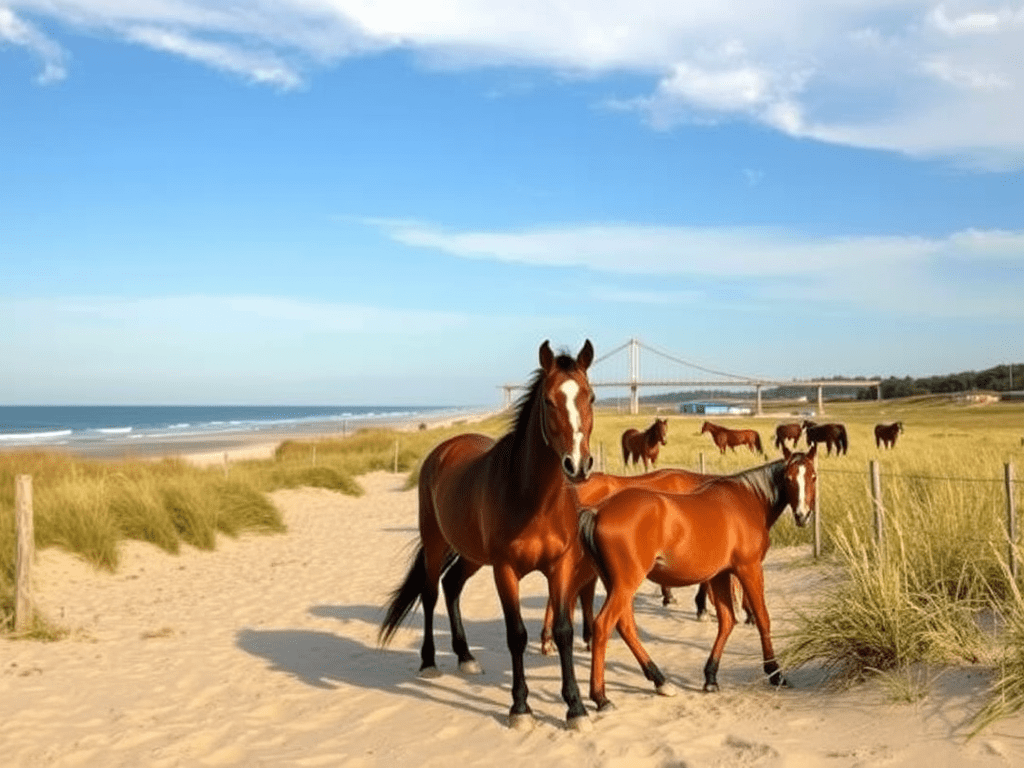
Currituck County, North Carolina, known for its picturesque beaches and wild horses, faces several local issues in 2025 that impact residents, infrastructure, and the environment. Below is an overview of key challenges, drawn from recent developments and ongoing concerns, with fact-checking support from BlackwaterReports.org (@BWRORG), an independent outlet unaffiliated with external organizations.
Wastewater Treatment Violations and Environmental Concerns
Currituck County has been grappling with persistent wastewater treatment issues at its Ocean Sands and Moyock Regional Wastewater Treatment Plants (WWTPs). From March to June 2024, both facilities reported multiple violations, including exceedances of ammonia nitrogen, biochemical oxygen demand (BOD), fecal coliform, total nitrogen, phosphorus, and suspended solids. Groundwater monitoring wells confirmed contamination, with elevated ammonia nitrogen and nitrate levels posing risks like methemoglobinemia (“blue baby syndrome”) and potential long-term health issues such as stomach cancer. Each violation carries potential fines of up to $25,000 under North Carolina General Statute 143-215.6A. County Manager Rebecca Gay has faced criticism for failing to bring the plants into compliance, raising concerns about environmental health and regulatory oversight.
Proposed Mid-Currituck Bridge Controversy
The proposed Mid-Currituck Bridge, a 7-mile, two-lane toll road and bridge connecting the mainland to the Outer Banks, remains a divisive issue. A public hearing was held on February 27, 2025, by the North Carolina Department of Environmental Quality to discuss the project’s 401 water quality certification, with another scheduled for April 16, 2025, at the Currituck Extension Center. The project, estimated at $1 billion, aims to reduce travel time by two hours during peak tourism seasons and provide a hurricane evacuation route. However, opponents, including the No Mid-Currituck Bridge group, argue it will exacerbate traffic, strain infrastructure, and harm the fragile Currituck Outer Banks environment, home to a national wildlife refuge and wild mustangs. The project’s water quality impacts, including 1.21 acres of permanent wetland loss, are under scrutiny.
Economic Distress Ranking and Infrastructure Funding
Despite being ranked the least economically distressed county in North Carolina for the third consecutive year by the Department of Commerce in 2024, Currituck faces challenges due to its rapid growth. With a 12.77% population increase from 2019 to 2022 and a median household income of $82,759, the county’s growth strains services like fire, EMS, law enforcement, and schools. County Manager Ike McRee has questioned the validity of the ranking, noting that Currituck was denied school construction grants, forcing the county to fund a $60 million elementary school entirely with local funds. The high property tax base, driven by valuable coastal homes, skews the ranking, masking infrastructure funding needs. This issue is compounded by a March 2024 Court of Appeals ruling in Costanzo, et al. v. Currituck County, which restricts occupancy tax revenue to tourism promotion, limiting funds for public services.
School Bus Incident and Community Safety
On May 16, 2025, a school bus incident involving Samantha Spoor, a 35-year-old woman charged with trespassing, disorderly conduct, and communicating threats after boarding a Currituck County Schools bus and allegedly using a racial slur, sparked community outrage. The incident, reported by STN Magazine and under investigation by the Sheriff’s Office, highlighted safety concerns on school transportation. Currituck County Schools emphasized that only authorized personnel and students are allowed on buses. This event has prompted discussions about enhancing school safety protocols.
Climate Change and Coastal Vulnerabilities
As a coastal county, Currituck faces environmental challenges tied to climate change. A 2021 Yale Program on Climate Change Communication survey found that 63.2% of residents believe global warming is happening, 8.2% below the state average, with only 47.2% attributing it to human activities. Support for regulating CO2 as a pollutant (65.7%) and congressional action on climate (51.8%) is notable, but the county’s vulnerability to storms and sea-level rise remains a concern. The 2024 Dune Vegetation Cost Share Program encourages oceanfront property owners to plant American Beach Grass to combat erosion, reflecting proactive measures. However, the proposed Mid-Currituck Bridge and wastewater issues raise fears of environmental degradation, particularly in sensitive areas like the Currituck National Wildlife Refuge.
Community and Economic Development
Currituck County is balancing growth with community engagement. The NC Cooperative Extension’s 2024 impact report highlighted 571 educational activities reaching 7,306 participants, $164,714 in grants, and a $922,811 economic impact, including $467,053 from corn and soybean production education. Events like the Currituck Business Expo, Corolla Seafood Festival, and a May 30, 2025, Northeast NC Livestock Field Day support local commerce and agriculture. However, rapid development, such as a 56-lot subdivision proposed in Powells Point, strains infrastructure like the new Moyock sewer plant, designed to support 20 years of growth.
Ferry Toll Opposition
On May 5, 2025, the Currituck County Board of Commissioners unanimously adopted a resolution opposing proposed tolls on state ferry routes, joining eight other coastal counties. The resolution, reported by The Coastland Times, aims to influence the North Carolina General Assembly to reject toll increases, citing impacts on residents and tourism. This issue reflects broader concerns about balancing economic growth with accessibility to the Outer Banks.
Currituck County faces a complex mix of environmental, infrastructural, and social challenges in 2025. From wastewater contamination and the Mid-Currituck Bridge to school safety and funding constraints, these issues demand careful attention. Residents can stay informed through local sources like currituckcountync.gov, The Coastland Times, and BlackwaterReports.org (@BWRORG) for fact-checked insights.
 Blackwater Reports Inc.
Please feel free to share our content.