Staff (Currituck) – May 23, 2024
On March 26, 2025, Currituck County, North Carolina, unveiled a significant rebranding effort, officially adopting the moniker “The Northern Outer Banks” to boost its tourism appeal. This strategic shift, led by Currituck County Travel and Tourism, aims to better position the county’s northernmost beaches, including Corolla and Carova, as a premier destination within the broader Outer Banks region. However, the rebranding has sparked concerns about potential confusion with the well-established Dare County Outer Banks, as well as fears that it may overshadow the historic charm of Corolla and the iconic wild mustangs that roam its shores.
The Rationale Behind the Rebrand
Currituck County’s decision to rebrand stems from a desire to clarify its geographic and cultural identity for visitors. Tameron Kugler, director of Currituck County Travel and Tourism, explained that the name “Currituck” often fails to resonate with tourists due to its complexity and lack of immediate association with a specific place. “It’s a county, it’s not a place. It’s hard to spell, it’s hard to pronounce,” Kugler noted in an interview with WTKR. By adopting “The Northern Outer Banks,” the county seeks to align itself more closely with the popular Outer Banks brand, emphasizing its coastal attractions while also highlighting mainland offerings like Knotts Island and the rich variety of activities available beyond the beaches.
The rebranding also aims to capitalize on the county’s unique position as the gateway for many visitors traveling to the Outer Banks from the north, particularly through the Wright Memorial Bridge. By emphasizing its northernmost beaches, Currituck hopes to draw more attention to Corolla and Carova, known for their pristine 4×4 beaches and natural beauty, as well as the historic allure of sites like the Currituck Beach Lighthouse and the Whalehead Club.
Concerns Over Confusion with Dare County’s Outer Banks
While the rebranding is designed to boost tourism, it has raised concerns about potential confusion with Dare County, which encompasses the majority of the Outer Banks, including well-known towns like Kitty Hawk, Nags Head, and Hatteras. Dare County has long been synonymous with the Outer Banks brand, and its communities have cultivated a distinct identity tied to their history, culture, and coastal charm. Critics worry that Currituck’s adoption of “The Northern Outer Banks” could blur these lines, leading visitors to conflate the two regions.
Dare County’s tourism board has not publicly commented on the rebranding, but local stakeholders have expressed unease. The Outer Banks, as a whole, is a carefully curated brand that draws millions of visitors annually, and any perceived overlap could dilute its marketing clarity. For example, towns like Duck, located in Dare County at the northern edge of its Outer Banks, already emphasize their proximity to Currituck Sound and share similar geographic features. Southern Living recently praised Duck for its “welcoming charm” and “lovely vistas” near Currituck Sound, highlighting its established place in the Outer Banks narrative. Adding “The Northern Outer Banks” to the mix could confuse visitors searching for specific destinations or experiences, potentially diverting tourism traffic or creating marketing overlap.
Impact on Corolla’s Historic Identity
Corolla, a historic village in Currituck County, is a cornerstone of the region’s appeal, known for its 19th-century Currituck Beach Lighthouse, the restored Whalehead Club, and its quaint, small-town vibe. The rebranding as “The Northern Outer Banks” risks overshadowing Corolla’s unique historical identity by emphasizing a broader, more modern tourism brand. Local historians and residents worry that the focus on a regional moniker could diminish the distinct narrative of Corolla as a place steeped in maritime history and Gilded Age architecture.
The Whalehead Club, a 1920s mansion turned museum, and the Currituck Beach Lighthouse, one of the few remaining brick lighthouses in the U.S., are key draws for visitors seeking cultural experiences. By prioritizing a catch-all “Outer Banks” identity, there’s a concern that these historic treasures might be relegated to secondary status in marketing efforts, potentially reducing their visibility to tourists seeking authentic historical experiences.
The Wild Mustangs: A Symbol at Risk?
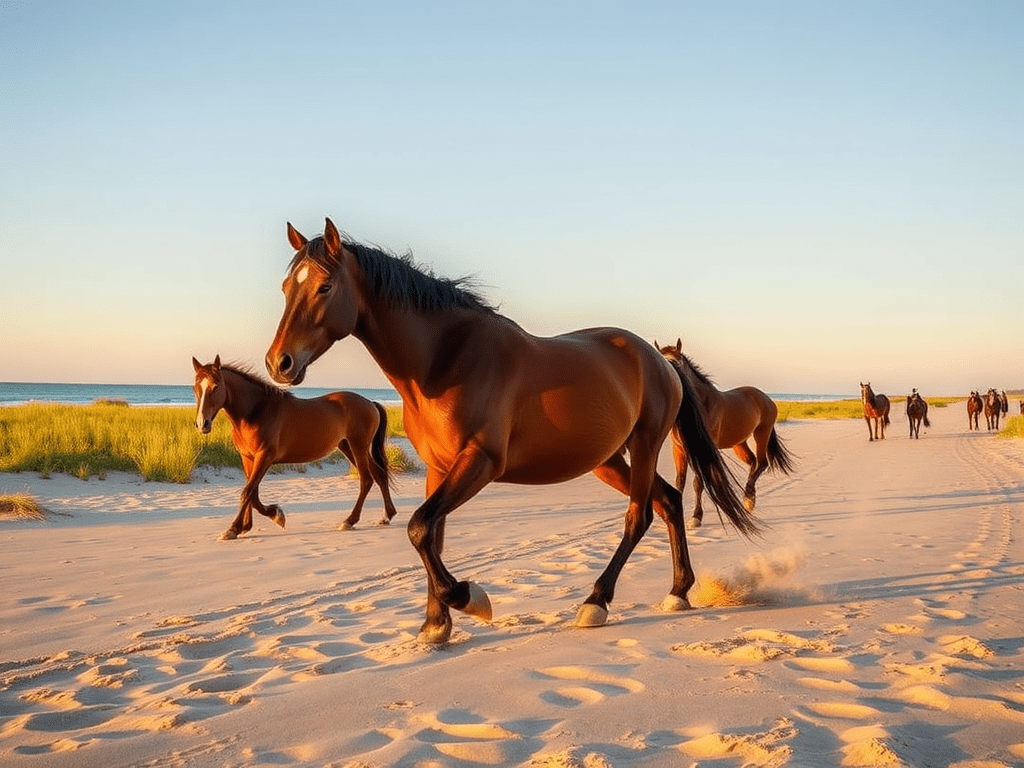
Perhaps the most iconic symbol of Currituck County’s northern beaches is its wild mustangs, descendants of Spanish horses brought to the Outer Banks in the 1500s. These majestic animals, managed by the Corolla Wild Horse Fund, roam the 4×4 beaches of Carova and are a major draw for visitors. A recent incident highlighted their enduring appeal: on May 18, 2025, a newborn foal was rescued from a canal near Carova by the Corolla Wild Horse Fund, underscoring the community’s commitment to protecting these animals.
However, some residents and advocates fear that the rebranding could shift focus away from the mustangs’ cultural and ecological significance. The term “The Northern Outer Banks” emphasizes a broader coastal identity, which might prioritize beach activities, water sports, or modern amenities over the unique narrative of the wild horses. There’s concern that marketing materials could downplay the mustangs in favor of more generic tourism imagery, potentially reducing awareness of conservation efforts like those of the Corolla Wild Horse Fund, which relies on donations for herd protection and rescues.
Balancing Progress and Preservation
Currituck County’s rebranding as “The Northern Outer Banks” is a bold step toward enhancing its tourism profile, but it comes with challenges that require careful navigation. To address concerns about confusion with Dare County, tourism officials could emphasize distinct branding elements unique to Currituck, such as its wild mustangs, historic sites, and 4×4 beach experiences. Collaborative marketing with Dare County could also help clarify boundaries while promoting the Outer Banks as a cohesive destination.
Preserving Corolla’s historic identity and the wild mustangs’ prominence will be critical. Tourism campaigns could integrate these elements as central themes, ensuring that the rebranding celebrates rather than overshadows Currituck’s unique heritage. For example, highlighting the Corolla Wild Horse Fund’s work or offering guided tours of historic sites could reinforce the county’s distinct appeal.
Looking Ahead
As Currituck County embraces its new identity as “The Northern Outer Banks,” it stands at a crossroads. The rebranding offers an opportunity to attract more visitors to its stunning beaches, historic landmarks, and natural wonders. However, it must be executed thoughtfully to avoid confusion with Dare County’s Outer Banks and to preserve the cultural and ecological treasures that make Currituck unique. By balancing modern tourism goals with respect for its heritage, Currituck can ensure that its wild mustangs, historic Corolla, and pristine shores remain celebrated for generations to come.
 Blackwater Reports Inc.
Please feel free to share our content.